2025 Top Lifepo4 Energy Storage Battery Benefits and Applications Guide
The growing demand for sustainable energy solutions has increasingly highlighted the importance of efficient energy storage systems. Among the various technologies available, the Lifepo4 Energy Storage Battery stands out due to its unique features and benefits. Integrating advanced lithium iron phosphate chemistry, these batteries are well-regarded for their safety, longevity, and environmental friendliness. In 2025, as the push toward renewable energy sources continues, understanding the applications and advantages of Lifepo4 Energy Storage Batteries becomes essential for both consumers and industries alike.
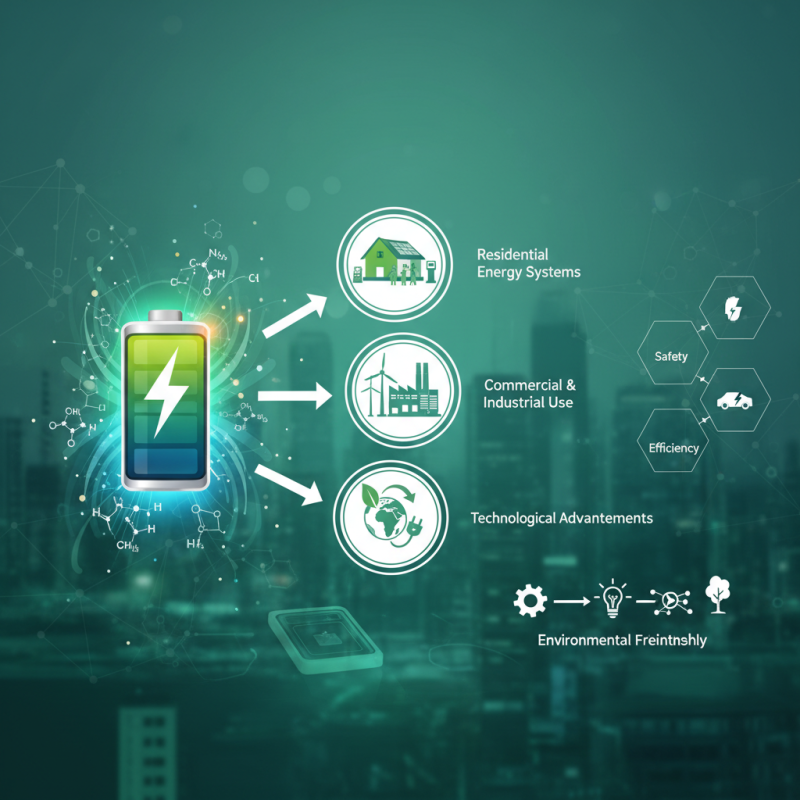
This comprehensive guide aims to explore the multifaceted benefits of Lifepo4 Energy Storage Batteries and their diverse applications across several sectors. From residential energy systems to large-scale commercial use, these batteries offer remarkable efficiency in energy management, making them an ideal choice for those looking to reduce their carbon footprint. Moreover, as technological advancements continue to enhance battery performance, it's crucial to stay informed about the latest developments and innovations in the Lifepo4 energy storage arena. By leveraging these insights, stakeholders can maximize their investments in energy storage solutions while contributing to a more sustainable future.
Key Features of Lifepo4 Energy Storage Batteries in 2025
In 2025, Lithium Iron Phosphate (LiFePO4) energy storage batteries continue to be at the forefront of energy storage technology, showcasing significant advancements in efficiency and safety. One of the key features of LiFePO4 batteries is their thermal stability, with the ability to operate safely at elevated temperatures, reducing the risk of thermal runaway incidents. According to a recent industry report by Research and Markets, the global LiFePO4 battery market is projected to grow by over 20% annually, highlighting their increasing adoption in various sectors, including renewable energy and electric vehicles.
Another hallmark of LiFePO4 batteries is their impressive cycle life, which typically exceeds 4,000 charge-discharge cycles. This longevity not only reduces the need for frequent replacements but also translates into lower long-term costs for users. Moreover, LiFePO4 batteries exhibit excellent performance in energy density, with recent improvements leading to energy densities approaching 160 Wh/kg. This aligns with the growing demand for sustainable and reliable energy solutions, particularly in stationary storage applications where energy density is critical. As more industries recognize these benefits, the role of LiFePO4 in energy storage systems is poised to expand, contributing to a more sustainable energy landscape.
Advantages of Lifepo4 Over Other Battery Technologies
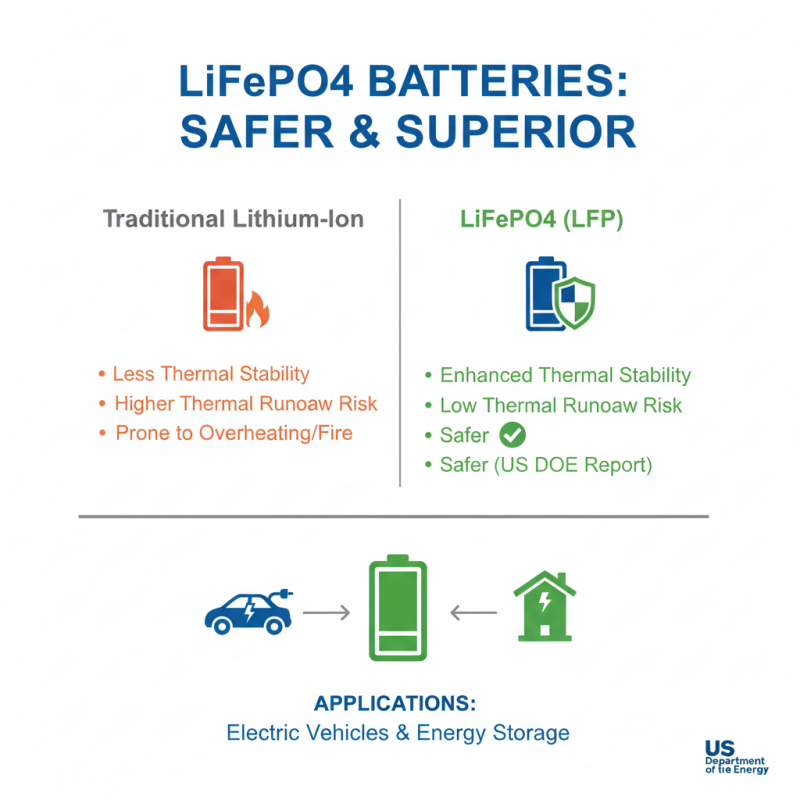
Lithium Iron Phosphate (LiFePO4) batteries are increasingly recognized for their superior performance and safety characteristics compared to traditional lithium-ion technologies. One of the most significant advantages of LiFePO4 batteries is their enhanced thermal stability, which inherently reduces the risk of thermal runaway—a phenomenon that can lead to fires and explosions in other lithium-ion chemistries. According to a report by the U.S. Department of Energy, LiFePO4 batteries can withstand higher temperatures and have a much lower self-heating rate, making them a safer choice for various applications, including electric vehicles and stationary energy storage systems.
Moreover, LiFePO4 batteries boast a longer cycle life, with an estimated lifespan of over 3,000 cycles at 80% depth of discharge, significantly outperforming conventional lithium-ion batteries that typically last 500 to 1,500 cycles. This longevity presents not only economic advantages through reduced replacement costs but also environmental benefits by decreasing the volume of batteries that need to be disposed of or recycled. A study published by the National Renewable Energy Laboratory highlights that the sustainability of LiFePO4 technology aligns well with the growing demand for eco-friendly energy solutions, making it a compelling option for both residential and commercial energy storage applications. With an ever-increasing focus on renewable energy integration, the benefits of LiFePO4 batteries position them as a pivotal player in the future energy landscape.
Common Applications of Lifepo4 Batteries in Various Industries
Lithium Iron Phosphate (LiFePO4) batteries have gained traction in various industries due to their impressive performance, safety, and longevity. One of the most prominent applications of LiFePO4 batteries is in renewable energy storage systems. As the demand for sustainable energy solutions rises, these batteries serve as an efficient means to store energy generated from solar panels and wind turbines. Their ability to handle deep cycling and maintain stable voltage levels ensures reliable power supply, making them ideal for off-grid systems and backup power solutions.
Another significant application of LiFePO4 batteries can be found in the electric vehicle (EV) sector. The high energy density and thermal stability of these batteries contribute to safer and more efficient vehicle designs. They not only enhance the driving range but also reduce the risk of overheating and combustion, which is crucial for the automotive industry's advancement toward cleaner transportation alternatives. Additionally, LiFePO4 batteries are utilized in various industrial machinery, including forklifts and warehouse vehicles, where durability and long cycle life are essential for day-to-day operations, contributing to reduced operational costs and increased efficiency in logistics and warehousing.
2025 Top Lifepo4 Energy Storage Battery Benefits and Applications Guide
| Industry |
Benefits of Lifepo4 Batteries |
Common Applications |
| Renewable Energy |
High cycle stability, long lifespan |
Solar energy storage, wind energy systems |
| Electric Vehicles |
Lightweight, efficient energy management |
Battery electric vehicles, hybrid vehicles |
| Telecommunications |
Fast charging capabilities, safety features |
Backup power systems for cell towers |
| Home Energy Storage |
Scalability, environmental benefits |
Residential energy storage systems |
| Marine Applications |
Corrosion resistance, maintenance-free |
Electric boats, power supply for onboard systems |
| Medical Devices |
Reliability, low self-discharge rates |
Portable medical equipment, diagnostic devices |
Future Trends in Lifepo4 Battery Technology and Market Growth
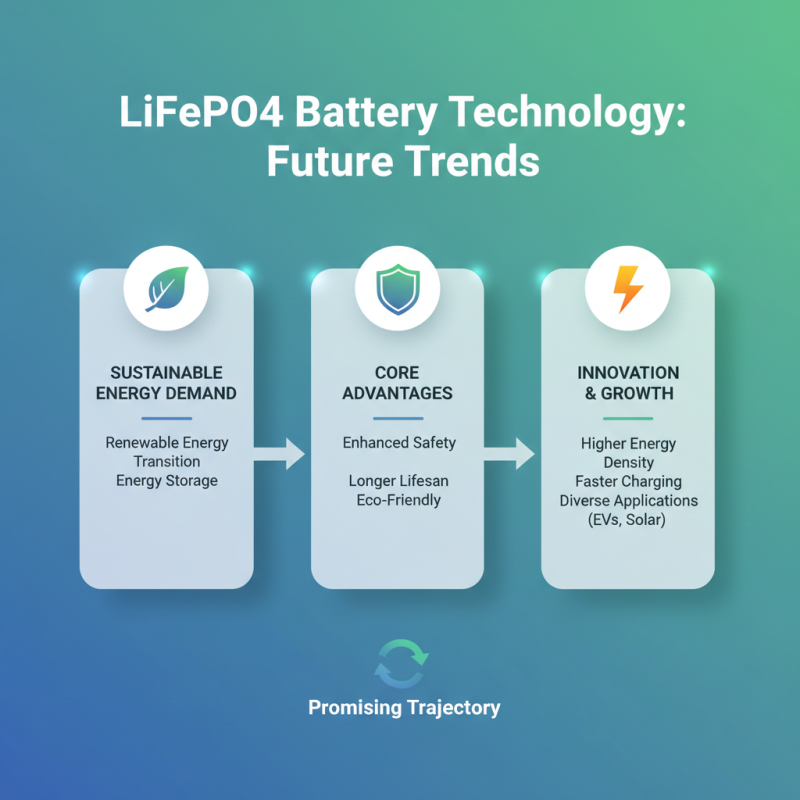
The future trends in LiFePO4 battery technology indicate a promising trajectory driven by increasing demand for sustainable energy solutions. As global efforts to transition to renewable energy sources accelerate, LiFePO4 batteries are emerging as a preferred choice for energy storage. Their inherent safety features, longer life cycles, and environmental benefits position them favorably in the market. Innovations in battery design and chemistry are expected to enhance energy density and charging speeds, making LiFePO4 batteries even more viable for a myriad of applications, from residential solar energy systems to electric vehicles.
In addition to technological advancements, the market growth for LiFePO4 batteries is being bolstered by various sectors recognizing the benefits of energy storage solutions. Industries such as renewable energy, electric transportation, and grid management are increasingly investing in LiFePO4 technology, driven by the need for reliable and efficient energy storage systems. With supportive government policies and incentives aimed at reducing carbon footprints, the adoption of this technology is likely to expand significantly. As research continues to unlock new potentials within LiFePO4 chemistry, we can expect to see a marked shift toward these batteries becoming standard in various applications, further paving the way for a sustainable energy future.
Considerations for Selecting Lifepo4 Batteries for Specific Use Cases
When selecting LiFePO4 batteries for specific applications, it is crucial to consider factors such as energy capacity, discharge rate, and cycle life. Energy capacity determines how much power the battery can store, influencing its suitability for various uses. For instance, larger capacity batteries are ideal for energy storage systems, whereas smaller batteries may suffice for portable electronic devices. Additionally, understanding the discharge rate is essential since different applications require varying levels of power output. High discharge rates are necessary for applications like electric vehicles, while lower rates might be adequate for stationary storage systems.
Another important consideration is the operating temperature range, as LiFePO4 batteries perform optimally within specific thermal conditions. Applications in extreme environments, such as industrial settings or outdoor installations, necessitate batteries that can tolerate temperature fluctuations without losing efficiency or safety. Furthermore, the weight and form factor can impact the application—lighter batteries are advantageous for transportation, whereas compact sizes may be needed for small tools or equipment. Lastly, understanding the charging infrastructure available for each application will enable optimal utilization of LiFePO4 technology, ensuring longevity and reliability in performance.
2025 Lifepo4 Energy Storage Battery Benefits and Applications