Why Choose a 51.2v Lifepo4 Boat Battery for Your Marine Needs?
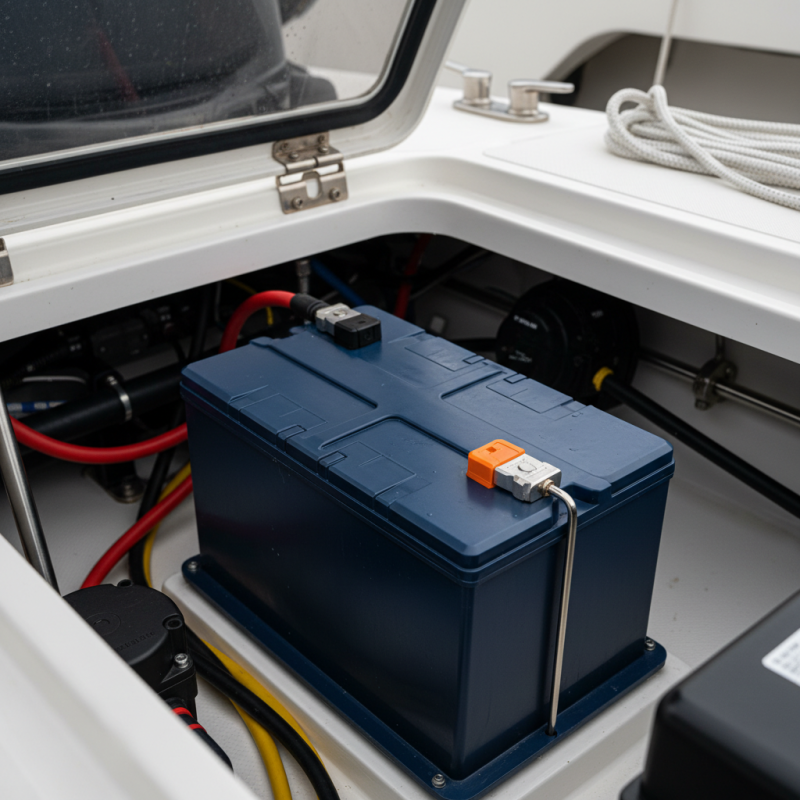
Choosing a battery for your boat is crucial. A 51.2v Lifepo4 Boat Battery stands out among options. It offers several advantages vital for marine use.
This battery type is known for its long lifespan and durability. You can expect reliable performance over extended periods. It’s lighter compared to traditional lead-acid batteries. This can enhance your boat's overall efficiency. Additionally, the 51.2v Lifepo4 Boat Battery supports fast charging. This feature means less downtime on the water.
However, it’s important to consider your specific needs. Not all boats will benefit equally from this technology. While the initial investment may be higher, the long-term savings can be significant. Reflect on these factors to ensure you make the best choice for your marine adventures.
Benefits of Using 51.2v Lifepo4 Batteries in Marine Applications
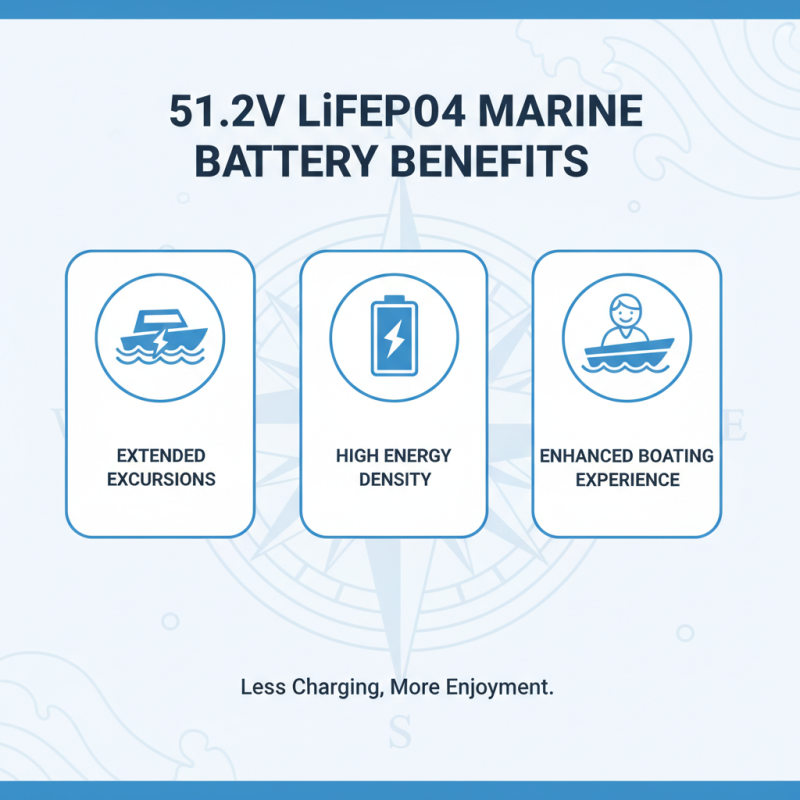
When it comes to marine applications, a 51.2v Lifepo4 battery stands out for several reasons. These batteries are known for their excellent energy density, which translates to longer usage times. A boat equipped with such a battery can enjoy extended excursions without frequent recharges. This efficiency enhances the overall boating experience, making trips more enjoyable and less stressful.
The safety and reliability of Lifepo4 batteries cannot be overstated. They are less prone to thermal runaway compared to traditional battery types. They can withstand extreme conditions typically encountered on the water. These batteries also have a long cycle life, providing an economical option for boat owners. With proper use, they can last for thousands of cycles, ensuring they remain a dependable choice for years.
Another key benefit is their lightweight design. Reducing weight on a boat improves fuel efficiency and handling. However, it’s essential to regularly monitor battery health. Neglecting this can lead to unforeseen issues, such as reduced performance or unexpected failures. Balancing the advantages and drawbacks is crucial for optimal usage. Choosing a 51.2v Lifepo4 battery can transform marine adventures, but awareness is vital.
Key Features of Lifepo4 Batteries for Boating Power Needs
Lithium iron phosphate (LiFePO4) batteries are gaining popularity for marine use. A 51.2V LiFePO4 boat battery offers several key features that make it a strong choice. These batteries have a longer lifespan compared to traditional lead-acid batteries. They can last up to 2000 cycles or more, significantly reducing replacement costs. This is backed by industry reports highlighting a 70% increase in effective lifespan.
Another important aspect is their lightweight nature. A typical LiFePO4 battery is one-third the weight of lead-acid options. This can enhance your boat’s performance, making it easier to maneuver and improving fuel efficiency. Additionally, these batteries maintain consistent power output, ensuring reliable operation even in demanding conditions.
**Tip:** When choosing a battery, consider its capacity for deep discharge. LiFePO4 batteries support deep cycling without damage, making them suitable for extended trips.
Their temperature resilience is another noteworthy feature. They can function effectively in a wide range of temperatures, from -4°F to 140°F. This reliability is essential for marine environments that often expose batteries to extreme conditions.
**Tip:** Always check the battery’s management system. A good battery management system will protect against overcharging and overheating.
LiFePO4 batteries may require a higher initial investment, but their long-term savings often outweigh this cost. As marine technology advances, these batteries are set to become more commonplace, driving a shift in how we approach boating power needs.
Why Choose a 51.2v Lifepo4 Boat Battery for Your Marine Needs?
| Feature |
Description |
Advantages |
| High Energy Density |
51.2v Lifepo4 batteries offer a compact design with high energy storage capabilities. |
More power in a smaller package, allowing for lightweight setups on boats. |
| Long Lifespan |
Typically over 2000 charge cycles with proper use. |
Reduced frequency of replacement and lower long-term costs. |
| Rapid Charging |
Can be charged quickly compared to traditional lead-acid batteries. |
Minimizes downtime and improves operational efficiency on the water. |
| Temperature Resilience |
Operates effectively in a wide range of temperatures. |
Ideal for diverse marine environments and varying weather conditions. |
| Eco-Friendly |
Made without toxic metals and can be recycled. |
Reduces environmental impact and promotes sustainability. |
Comparing Lifepo4 Batteries to Traditional Marine Batteries
Choosing the right battery for marine applications is crucial. Lifepo4 batteries have emerged as a popular alternative to traditional lead-acid batteries. These lithium-ion phosphate batteries provide impressive advantages in weight, lifespan, and efficiency.
Lifepo4 batteries weigh significantly less than lead-acid options. This reduction in weight can improve the boat's performance and fuel efficiency. Additionally, Lifepo4 batteries typically have a lifespan of over 2000 cycles. In contrast, traditional batteries often last only 300 to 500 cycles. This longevity translates to cost savings over time, despite the initial higher price of Lifepo4 batteries.
However, some users have reported challenges with charging techniques. Lifepo4 batteries require specific charging protocols for optimal performance. Users may need education on proper charging methods to maximize battery life. While Lifepo4 technology is reliable, adapting to it can be a learning curve. This aspect requires careful consideration before switching. Being informed helps avoid potential pitfalls and maximize battery advantages.
Comparison of Lifepo4 Batteries vs Traditional Marine Batteries
Safety and Environmental Advantages of Lifepo4 Technology
When considering boat batteries, safety is paramount. The 51.2v LiFePO4 battery stands out due to its thermal stability. This technology significantly reduces the risk of combustion. In harsh marine environments, fire safety can be a serious concern.
LiFePO4 batteries are less prone to overheating. This inherent safety feature makes them ideal for use on boats.
Environmental benefits also play a key role in choosing LiFePO4. These batteries contain no toxic heavy metals. They are more eco-friendly than traditional lead-acid batteries. Their longer lifespan contributes to reduced waste. A boat can run efficiently without harming the ocean. In addition, the recyclability of LiFePO4 materials supports a sustainable future for marine energy.
However, some may worry about the initial cost. Investing upfront can be challenging. Yet, the long-term savings often outweigh these expenses. Reliability is crucial; by choosing LiFePO4, boaters invest in a durable solution. Ultimately, these batteries combine safety and environmental consciousness, making them a smart choice for marine needs.
Cost-Effectiveness and Longevity of Lifepo4 Boat Batteries
When selecting a boat battery, the 51.2V LiFePO4 option stands out for its cost-effectiveness and longevity. Research indicates that lithium iron phosphate (LiFePO4) batteries can provide over 2,500 charge cycles. In comparison, traditional lead-acid batteries often last only about 500 cycles. This results in substantial long-term savings, as fewer replacements are required.
Moreover, LiFePO4 batteries maintain a higher energy density. This means they can power your vessel longer without adding extra weight. A 51.2V configuration allows for efficient energy delivery, optimizing both performance and fuel efficiency. Data suggests that the overall lifetime cost of ownership can be reduced by as much as 30% with LiFePO4 options.
**Tip:** Regularly monitor battery performance to ensure optimal efficiency.
Another factor to consider is the safety profile. LiFePO4 batteries are stable and less prone to thermal runaway, making them a safer choice for marine environments. However, they can be more expensive upfront. You need to assess your specific usage needs versus costs.
**Tip:** Evaluate your boat's energy consumption patterns before purchasing.
Investing in a 51.2V LiFePO4 battery could pay off significantly. Doing your research and obtaining data from credible sources is essential. Ensure your choice aligns with your long-term marine energy needs.