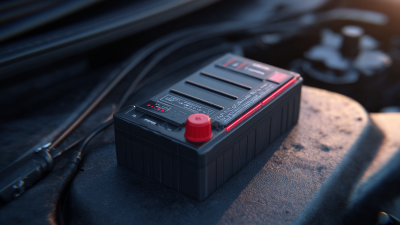
What is Auto Lifepo4 Start Battery and How Does It Work?
The Auto Lifepo4 Start Battery stands out in the automotive battery market. It combines advanced lithium iron phosphate technology with reliable performance. These batteries are designed to offer excellent cold cranking power. They ensure a swift start in even the harshest conditions. Users appreciate the lightweight design, enhancing overall vehicle efficiency.
However, not all experiences with the Auto Lifepo4 Start Battery are perfect. Some users report issues with compatibility in older vehicles. Additionally, the initial investment can be higher than traditional lead-acid batteries. It's important to consider these factors. Despite these challenges, many find the benefits outweigh the drawbacks.
Understanding how the Auto Lifepo4 Start Battery works is essential for potential buyers. This technology may seem complex, but it provides numerous advantages. Gaining knowledge about battery management systems can enhance user experience. Exploring both features and limitations of this innovative battery will help make informed decisions.
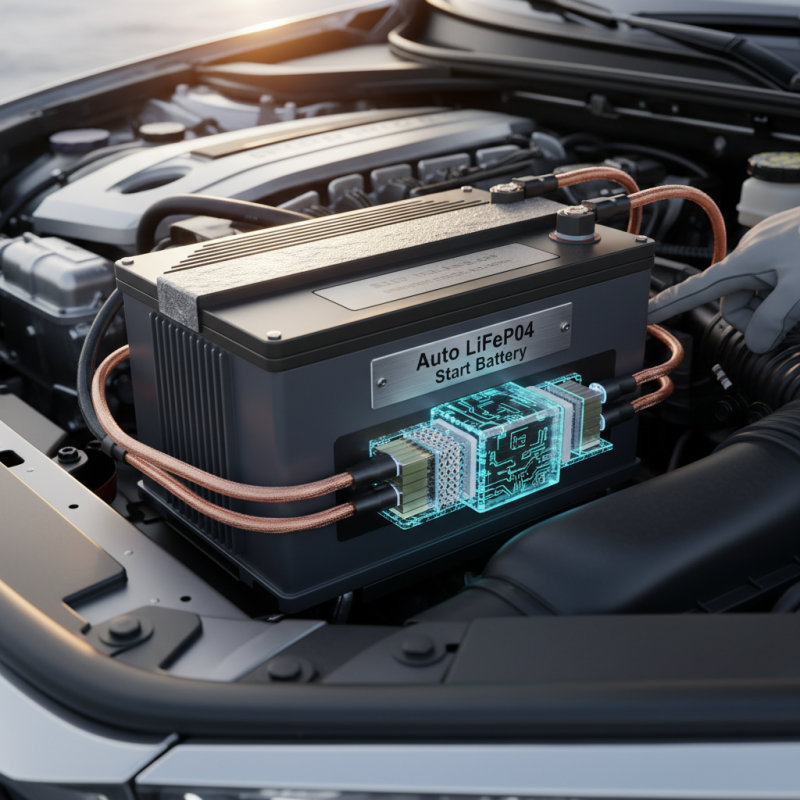
What is an Auto Lifepo4 Start Battery?
An Auto Lifepo4 Start Battery is a type of lithium iron phosphate battery. It is designed to provide high bursts of energy necessary for starting an engine. These batteries are becoming popular in automotive applications due to their durability and performance characteristics. They are lighter than traditional lead-acid batteries, making them an attractive option for modern vehicles.
The technology behind Lifepo4 batteries ensures safety and long life. They have a stable chemistry that reduces the risk of overheating. This is crucial during start-up when the battery delivers a large amount of current. However, some users report that not all Lifepo4 batteries are created equal. Performance can vary significantly. A lower-quality battery may lead to unreliable starts, which can be frustrating.
Managing the charging and discharging cycles is essential. Lifepo4 batteries perform best when properly maintained. Lack of attention to these details can lead to diminished capacity over time. One should monitor their battery system regularly. It is important to identify any weaknesses early on to ensure reliability. Overall, understanding how these batteries operate can enhance their usage significantly.
Key Features of Lifepo4 Technology
Lithium Iron Phosphate (LiFePO4) technology stands out for several key features. One major advantage is its safety. The chemistry of LiFePO4 batteries minimizes the risk of thermal runaway. This makes them less likely to catch fire or explode compared to other lithium-ion batteries. Drivers can feel more at ease knowing they are using a safer option.
Another significant feature is longevity. LiFePO4 batteries boast an impressive lifespan. They can endure thousands of charge cycles without significant degradation. Some users have noted that their batteries last longer than expected. This durability ultimately saves money and reduces waste over time. However, some may find the initial cost higher, which can be a point of concern.
Moreover, LiFePO4 batteries offer stable performance across a wide temperature range. Users frequently mention the consistent power output, even in extreme conditions. This reliability is crucial for automotive applications, where performance matters. But, the weight of these batteries can be a drawback for some. Balancing performance and portability remains a challenge in vehicle design.
How Lifepo4 Batteries Work in Automotive Applications
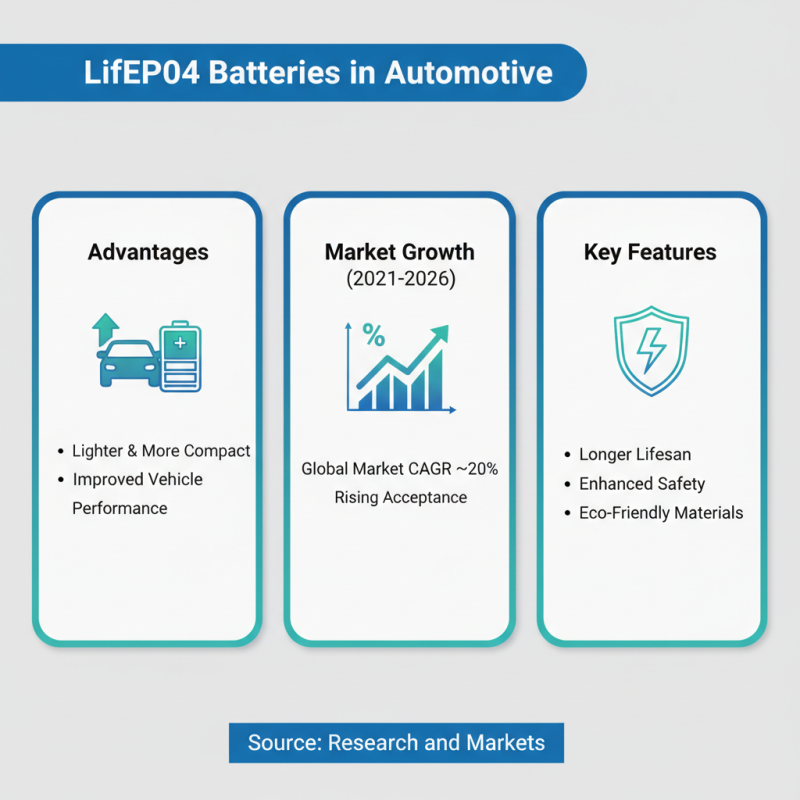
Lithium iron phosphate (LiFePO4) batteries are becoming popular in automotive applications. They provide numerous advantages over traditional lead-acid batteries. LiFePO4 batteries are lighter and more compact, resulting in enhanced vehicle performance. According to a report by Research and Markets, the global LiFePO4 battery market is expected to grow at a CAGR of around 20% from 2021 to 2026. This growth indicates a rising acceptance of these batteries in various sectors, particularly automotive.
Automotive LiFePO4 batteries offer high thermal stability and safety. They can withstand high temperatures and overcharging situations more effectively than other lithium batteries. An industry study reveals that LiFePO4 batteries have a lifespan of more than 2,000 cycles, which is significantly longer than lead-acid alternatives. However, they can be pricey. Some consumers might find the initial investment steep. Still, the long-term benefits can outweigh the upfront costs.
A potential drawback is the performance in cold weather. LiFePO4 batteries tend to lose efficiency at lower temperatures. This characteristic may pose challenges for some users. Additionally, proper management systems are vital to optimize battery performance. Without these systems, users may face issues like reduced lifespan or safety risks. Such factors warrant careful consideration before making a transition to LiFePO4 technology.
Advantages of Lifepo4 Start Batteries Compared to Traditional Batteries
Lithium iron phosphate (LiFePO4) start batteries are gaining popularity for their advanced features. They offer significant advantages over traditional lead-acid batteries. First, they have a longer lifespan. LiFePO4 batteries can last up to ten years, while lead-acid batteries often need replacement after three to five years. This longevity makes them more cost-effective in the long run.
Another benefit is their lightweight design. LiFePO4 batteries are generally much lighter than traditional batteries, making them easier to handle and install. This is particularly advantageous in applications like automotive or mobile equipment. Additionally, they charge faster than lead-acid alternatives. A quick charge means less downtime, which can be crucial for businesses relying on equipment performance.
However, it's essential to consider some drawbacks. The initial cost of LiFePO4 batteries can be higher than that of lead-acid batteries. This up-front expense may deter some users. Also, not all charging systems are compatible with these batteries, potentially leading to frustration. Despite these challenges, the benefits of LiFePO4 batteries often outweigh their disadvantages, making them a compelling choice in various settings.
Common Applications and Use Cases for Lifepo4 Start Batteries
Lifepo4 start batteries are becoming popular in various applications. They are known for their lightweight design and high energy density. These batteries are commonly used in electric vehicles. They provide a reliable power source for starting large engines. This is particularly useful in heavy machinery.
In addition to vehicles, Lifepo4 start batteries find use in marine applications. Boats and yachts benefit from the battery's stability and longevity. They can power onboard electronics without frequent recharging. This makes them ideal for extended trips. However, not everyone is aware of their specific charging requirements. Poor maintenance can reduce the battery's lifespan.
Another common application is in renewable energy systems. Homeowners often use Lifepo4 batteries in solar energy setups. They store excess energy for later use. This can help manage electricity costs. Yet, the installation process needs careful planning. Improper setup can lead to inefficiencies. Users must be educated about the system for optimal performance.
Auto Lifepo4 Start Battery Performance Comparison
This chart illustrates the performance metrics of Auto Lifepo4 Start Batteries, comparing aspects such as Cold Cranking Amps (CCA), cycle life, charge time, and weight. Lifepo4 batteries are known for their high energy density and efficiency, making them suitable for a variety of automotive applications.