Understanding Automobile Start Lithium Battery Benefits and Efficiency?
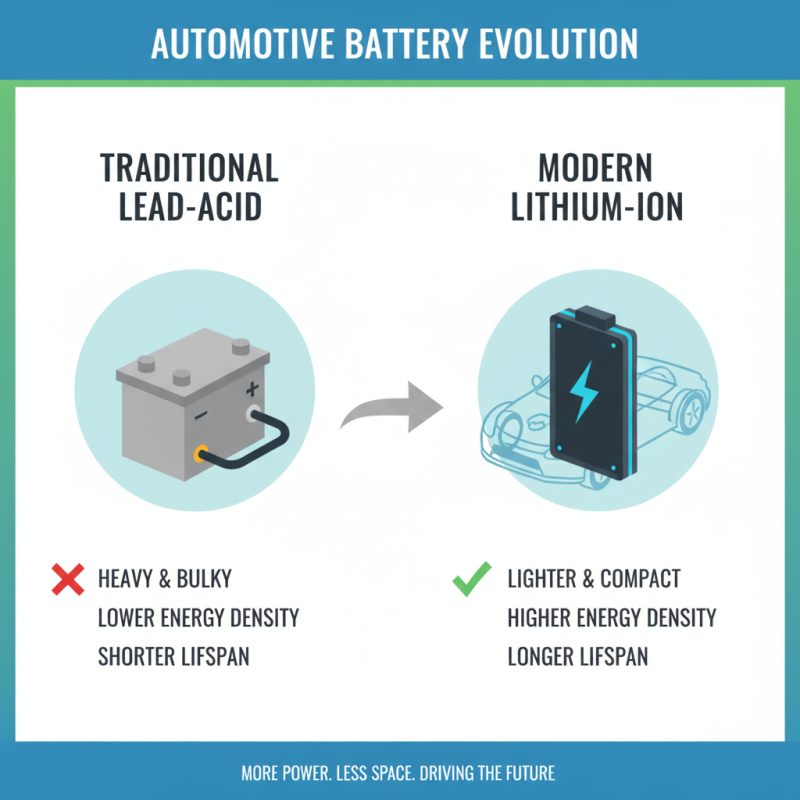
The rise of the Automobile Start Lithium Battery marks a significant shift in vehicle technology. These batteries offer many advantages over traditional lead-acid batteries. They provide higher energy density, which results in lighter weight and improved efficiency. This change is essential as modern vehicles demand more power for advanced features.
Automobile Start Lithium Batteries also have a longer lifespan. These batteries can endure more charge and discharge cycles. However, they can be more expensive upfront. This may deter some users from making the switch immediately. The environmental impact is another aspect to consider. While lithium batteries are better than lead-acid options, sourcing lithium carries its own challenges.
As we navigate this transition, it's crucial to reflect on the implications of adopting this technology. Are we prepared for the necessary infrastructure adjustments? Can we balance performance with cost, and sustainability with efficiency? The journey with Automobile Start Lithium Batteries is just beginning, and challenges lie ahead.

Benefits of Lithium Batteries in Automotive Applications
Lithium batteries have transformed the automotive industry. They offer many advantages over traditional lead-acid batteries. One key benefit is their energy density. Lithium batteries have a higher energy density, providing more power in a lighter package. According to the International Energy Agency, this efficiency can enhance vehicle range by 30% to 50%. This means electric vehicles can travel further on a single charge, which is crucial for consumer adoption.
Moreover, lithium batteries have a longer lifespan. Research indicates they can endure over 2,000 charge cycles. This longevity leads to reduced waste and lower replacement costs over time. However, the recycling of lithium batteries presents challenges that need addressing. With growing numbers of electric vehicles, the demand for responsible recycling methods is rising. Industry experts suggest that 75% of lithium-ion batteries are not recycled effectively, posing environmental risks.
Thermal management is another area for improvement. Lithium batteries can experience overheating, leading to reduced efficiency or safety issues. Engineers are working on solutions to mitigate these risks. Overall, while lithium batteries provide substantial benefits, ongoing research and improvements are essential for optimizing their use in automotive applications.
Benefits of Lithium Batteries in Automotive Applications
Comparative Analysis of Lithium vs. Traditional Lead-Acid Batteries
Lithium batteries are becoming increasingly popular in automobiles. They offer several advantages over traditional lead-acid batteries. First, lithium batteries are lighter and more compact. They take up less space, which is a critical factor in modern vehicle design. Additionally, they offer a higher energy density. This means they can store more power in a smaller unit.
Another significant difference is lifespan. Lithium batteries can often last three to five times longer than lead-acid versions. However, they can be more expensive upfront. The initial cost often makes consumers hesitate. Yet, the long-term savings in replacement and maintenance can be considerable. This investment might seem daunting at first.
Charging efficiency is another area of concern. Lithium batteries charge faster and have better energy retention. Traditional lead-acid batteries are slower to recharge and may need more frequent replacements. However, some users complain about the temperature sensitivity of lithium batteries. Their performance can degrade in extreme cold or heat. This makes users think carefully about where and how they store these batteries.
Efficiency Metrics of Lithium Batteries for Vehicle Starting Systems
Lithium batteries have emerged as a critical component in vehicle starting systems. Their efficiency metrics are impressive. A report by the U.S. Department of Energy indicates lithium batteries can achieve up to 95% energy efficiency. This efficiency translates into reliable starts, even in extreme weather conditions. In contrast, traditional lead-acid batteries often fall short, delivering only around 80% efficiency.
Moreover, lithium batteries typically have a longer cycle life. Some studies show they can last more than 2,000 cycles compared to 300-500 for lead-acid types. The weight difference also plays a role. Lithium batteries weigh significantly less, reducing the overall mass of the vehicle and potentially improving fuel economy. However, the initial costs can be a barrier to adoption.
Despite these advantages, there are challenges. Temperature sensitivity can affect performance. At very low temperatures, lithium batteries may underperform. Additionally, there are concerns related to recycling and sustainability. The industry must address these issues to realize the full potential of lithium technology for vehicle starting systems.
Factors Influencing Lithium Battery Performance in Automobiles
Lithium batteries in automobiles have gained popularity, but their performance hinges on various factors.
Temperature plays a significant role. At extreme cold, lithium batteries can lose efficiency, making it hard for vehicles to start.
In hot conditions, battery life can shorten due to overheating. Owners need to monitor temperature effects.
Charging practices also impact performance. Frequent fast charging can lead to quicker degradation. It’s essential to strike a balance between convenience and
battery health. Regular, slower charging may extend lifespan. Yet, many drivers prioritize speed over care, which raises concerns.
Another factor is battery management systems. Effective systems ensure the battery operates within optimal limits. However, not all vehicles have
advanced technology. This discrepancy can lead to varied performance levels among users. Drivers might experience unexpected issues, forcing them to reconsider their choices.
Future Trends in Lithium Battery Technology for Vehicles
The automotive industry is witnessing a shift toward advanced lithium battery technology. These batteries are becoming more efficient, enabling longer driving ranges for electric vehicles. They charge quickly and provide a reliable power source. Enhanced energy density means that newer models can store more energy in smaller packages. This trend makes electric vehicles lighter and more efficient.
However, there are still challenges to address. Lithium batteries often face temperature sensitivity, impacting performance and lifespan. Additionally, the sustainability of lithium extraction raises concerns. The process can harm the environment, and this issue needs more attention. Research continues on recycling methods to reclaim materials and reduce waste.
Future trends hint at solid-state batteries, which promise improved safety and higher capacity. These innovations could revolutionize electric vehicles. Yet, questions remain about their practicality and cost-effectiveness. Balancing efficiency with environmental responsibility is crucial. The evolution of lithium battery technology is promising but calls for careful consideration of its implications.