Why Choose a Car Start Lithium Battery for Your Vehicle?
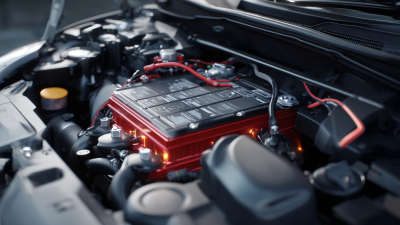
In recent years, the automotive industry has seen a shift towards advanced battery technologies. The Car Start Lithium Battery stands out due to its efficiency and reliability. According to a study by the Electric Power Research Institute, lithium batteries can provide up to 30% more power than traditional lead-acid batteries. This increased performance is vital for modern vehicles with higher energy demands.
Lithium batteries are also lighter, weighing nearly 50% less compared to their lead-acid counterparts. This weight reduction contributes to better fuel efficiency, which is crucial in a time where every ounce matters. However, not all lithium batteries are created equal. Some products may not deliver their promised lifespan or performance, prompting consumers to carefully assess their options.
Furthermore, the initial investment for a Car Start Lithium Battery can be higher. It's essential to weigh the long-term benefits against upfront costs. Users should consider factors like charging speed and temperature tolerance, as these can vary significantly across brands. The decision to switch to a Car Start Lithium Battery can lead to enhanced vehicle performance, provided drivers choose wisely.
Benefits of Lithium Batteries Over Traditional Lead-Acid Batteries
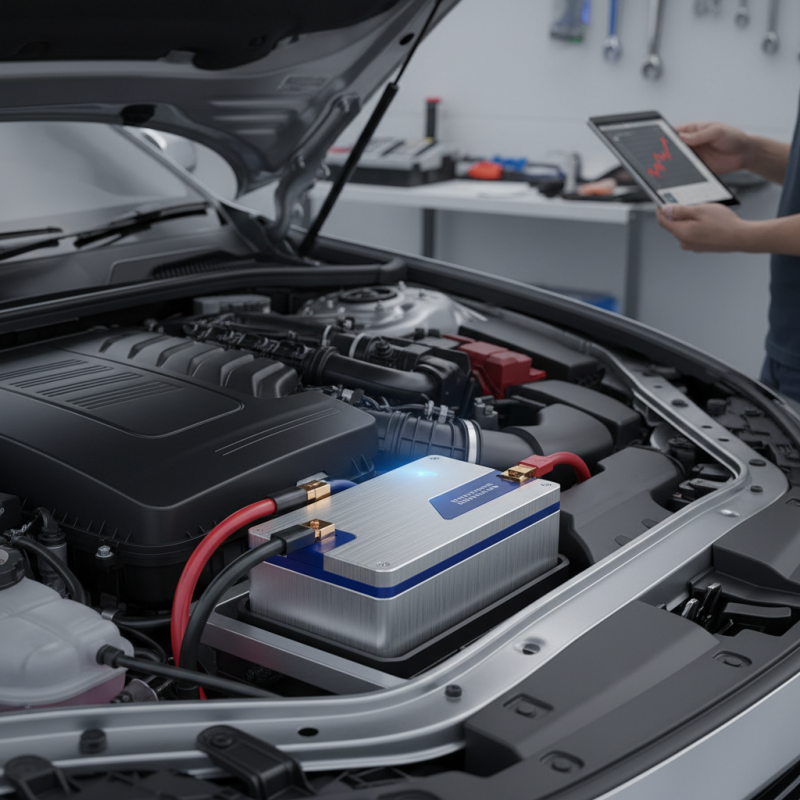
Lithium batteries are gaining traction in the automotive industry. They offer significant advantages over traditional lead-acid batteries. For instance, lithium batteries are lighter, which can improve vehicle efficiency. A report by the Electric Power Research Institute states that lithium-ion batteries can reduce vehicle weight by up to 30%. This reduction directly contributes to better fuel efficiency.
In terms of longevity, lithium batteries can outlast lead-acid counterparts. They typically have a lifespan of 8 to 10 years, compared to just 3 to 5 years for lead-acid batteries. This means less frequent replacements and lower long-term costs. However, lithium batteries also require more careful handling and maintenance. Users must ensure they are compatible with vehicle systems.
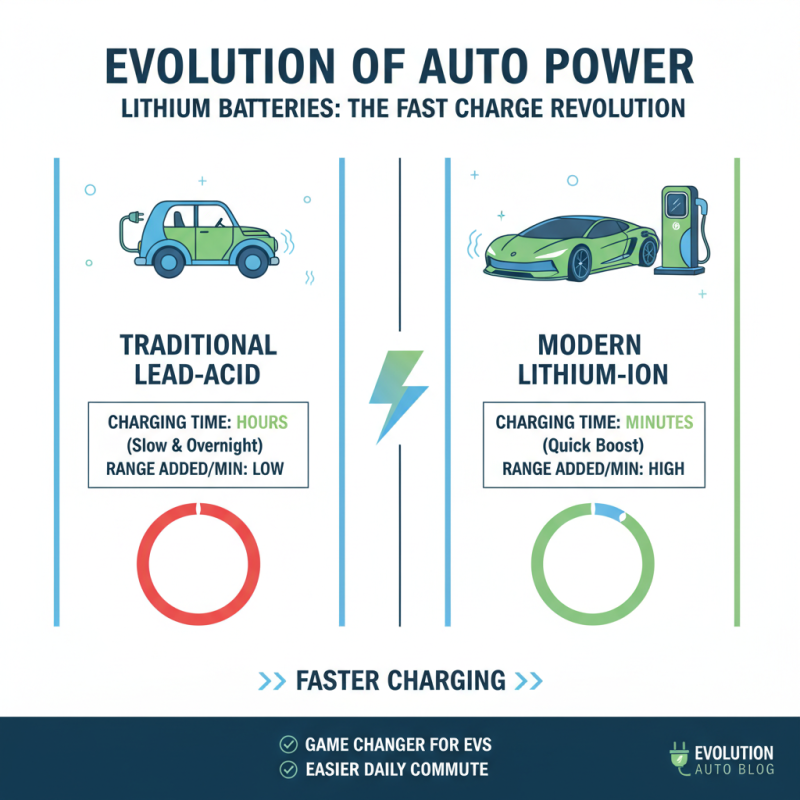
Another benefit is charging speed. Lithium batteries charge faster than lead-acid batteries. According to the Department of Energy, some lithium batteries can reach full charge in less than an hour. But the initial investment can be higher. Users should weigh these costs against potential savings in replacement and maintenance.
Longevity and Performance: How Lithium Batteries Outlast Lead-Acid Options
Lithium batteries have gained attention for their impressive longevity and performance compared to traditional lead-acid batteries. Studies show that lithium options can last up to 10 times longer. This is crucial for vehicle owners looking for reliability. A lithium battery’s lifespan typically ranges from 8 to 15 years, whereas lead-acid batteries often fall short at 3 to 5 years. This difference results in fewer replacements and ultimately lower costs.
Performance is another significant advantage. Lithium batteries can deliver higher discharge rates, meaning they can provide more power to the vehicle when needed. This is particularly beneficial for modern vehicles with advanced electronics. In fact, research indicates that many electric vehicles now rely on lithium technology for optimal performance. Less energy is wasted, making it a more efficient choice for drivers.
However, transitioning to lithium batteries is not without challenges. High initial costs can be a deterrent. Some vehicle owners may hesitate to invest in this technology, citing expenses over time. Furthermore, while lithium batteries have better longevity, they may require special care to maintain performance. It is worth noting that not all lithium options are created equal. Quality and specifications vary among manufacturers, leading to potential inconsistencies in performance.
Weight Reduction and Space Efficiency of Lithium Batteries in Vehicles
When considering a car start lithium battery, weight reduction and space efficiency are key advantages. Traditional lead-acid batteries are heavy and consume significant trunk space. In contrast, lithium batteries are lighter and more compact. This weight reduction enhances a vehicle’s performance and fuel efficiency.
Tips for drivers: Prioritize battery weight when purchasing. A lighter battery improves handling and acceleration. Even a small reduction can lead to noticeable performance gains. Also, check the battery dimensions. Ensure a perfect fit to maximize space efficiency.
Lithium batteries do have some drawbacks. They can be more expensive upfront. However, their longevity and efficiency can save money over time. Evaluating your needs can lead to better choices. Consider how often you drive and the distances you travel. A thoughtful approach can enhance your driving experience significantly.
Fast Charging Capabilities of Lithium Batteries for Enhanced Convenience
Lithium batteries are revolutionizing the automotive world, especially with their fast charging capabilities. These modern batteries can charge significantly quicker than traditional lead-acid types. Imagine pulling into a charging station and seeing your vehicle gaining power in a matter of minutes. This convenience changes the landscape of road trips and daily commuting.
Consider a scenario where you’ve forgotten to charge overnight. You can, without stress, plug in your lithium battery and get back on the road. Speed is essential, especially for busy lives. That extra hour saved can be the difference between running errands or enjoying leisure time.
However, it's essential to remember that fast charging isn't without its challenges. Not all charging stations support rapid influxes of power. Moreover, frequent fast charging may affect battery longevity over time. Striking a balance between convenience and battery health remains an ongoing concern. Finding that sweet spot is crucial for optimal performance.
Environmental Impact: Why Lithium Batteries Are a Greener Choice for Cars
When considering car batteries, lithium batteries stand out. They have a significant environmental advantage over traditional lead-acid options. Lithium batteries are lighter and more efficient. This means less energy is wasted during use. They also have a longer lifespan. This reduces the need for frequent replacements.
The production of lithium batteries is less harmful to the environment. They require fewer toxic materials. As a result, they generate less pollution. Recycling processes for lithium are improving too. These advancements help recover valuable materials, lowering overall waste. However, we should reflect on mining practices. Extracting lithium can still harm local ecosystems.
In addition to their efficiency, lithium batteries promote renewable energy use. They can store solar and wind energy for later use. This creates a more sustainable energy cycle. However, the infrastructure for charging these batteries is still growing. Many areas need better access to charging stations. This can hinder their effectiveness as eco-friendly solutions. Sticking with lithium batteries may bring us closer to a greener future, but challenges remain.
Environmental Impact: Lithium Batteries vs. Traditional Lead-Acid Batteries