2025 How to Choose a 51.2V LiFePO4 Boat Battery for Optimal Performance
When it comes to powering your boat, choosing the right battery is crucial for optimal performance and reliability. A 51.2V LiFePO4 boat battery stands out as a preferred choice for many boat owners due to its high energy density, lightweight design, and impressive longevity. The selection process can be daunting, especially with the myriad of options available on the market today. Understanding the key features and benefits of a 51.2V LiFePO4 boat battery will not only enhance your boating experience but also ensure your vessel operates at peak efficiency.
To make an informed decision, it is essential to consider various factors such as capacity, discharge rates, and charging cycles. These elements directly influence the battery's performance and how well it meets the demands of your boating activities. In this guide, we will explore the critical aspects of selecting a 51.2V LiFePO4 boat battery and provide insights into achieving optimal performance on the water. Whether you are cruising the open sea or enjoying a leisurely day on a lake, having the right battery can make all the difference in ensuring a smooth and enjoyable experience.
Understanding the Advantages of a 51.2V LiFePO4 Battery for Marine Use
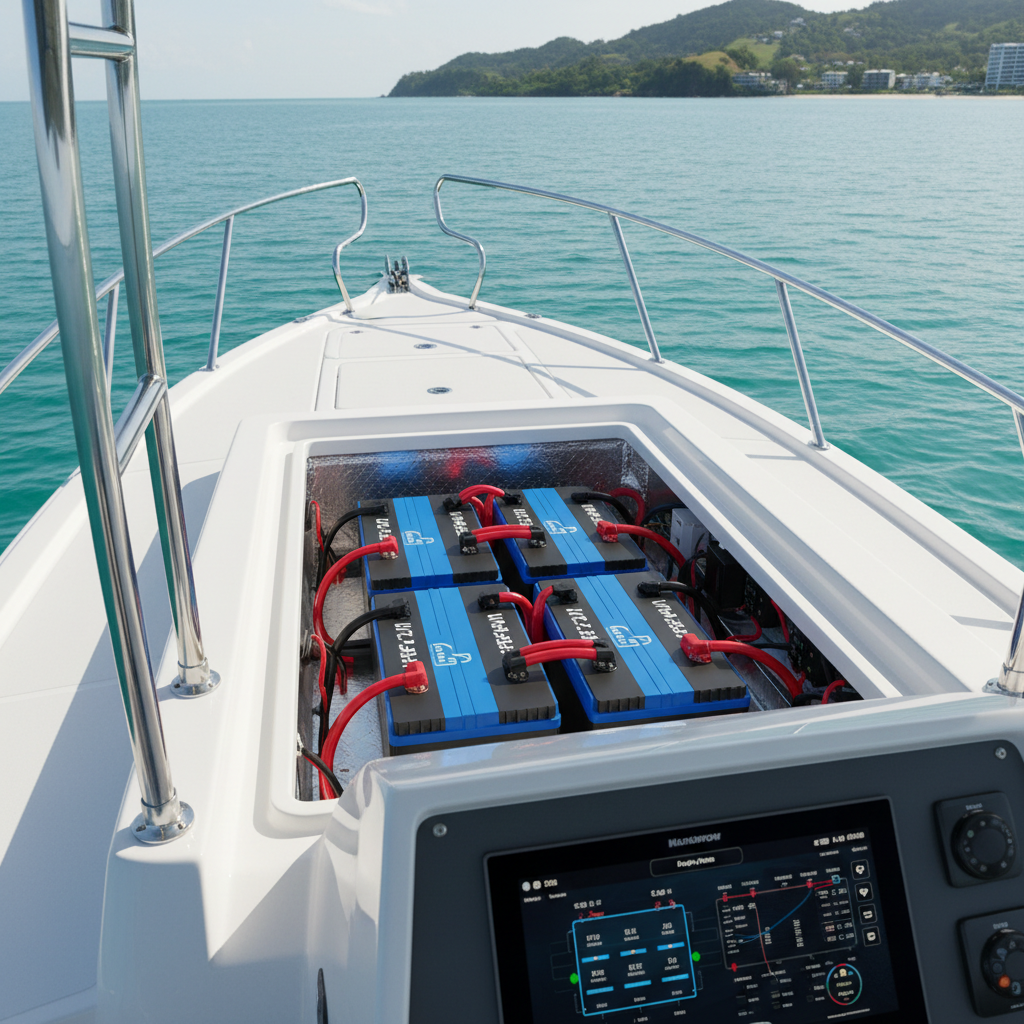
When considering a 51.2V LiFePO4 battery for marine use, understanding its advantages is crucial for optimal performance. LiFePO4 (Lithium Iron Phosphate) batteries are known for their stability and safety, which is particularly important in marine environments where conditions can be unpredictable. One key benefit is their ability to withstand higher temperatures without risk of thermal runaway, making them a safer option compared to traditional lithium-ion batteries. Moreover, the cycle life of LiFePO4 batteries can reach up to 5,000 cycles, significantly extending the lifespan compared to lead-acid alternatives. This durability can translate into lower long-term costs and less frequent replacement needs.
Additionally, the increasing trend in renewable energy adoption, particularly in the marine sector, aligns with the growing power generation market. According to recent industry reports, the global solar generator market is valued at $591 million in 2024 and is projected to grow to $632.74 million by 2025 and $1.01829 billion by 2032. This surge in clean energy initiatives further emphasizes the necessity for efficient storage solutions like LiFePO4 batteries. Their ability to provide consistent power while being environmentally friendly makes them an ideal choice for modern boating applications, contributing to both performance and sustainability on the water.
2025 51.2V LiFePO4 Boat Battery Performance Comparison
Key Factors to Consider When Selecting a 51.2V LiFePO4 Boat Battery
When selecting a 51.2V LiFePO4 boat battery, several key factors should be taken into consideration to ensure optimal performance. First and foremost, assess the battery's capacity, which is typically measured in amp-hours (Ah). This will determine how long your battery can power your devices before needing a recharge. A higher capacity is essential for longer trips or powering larger systems on board, so choose a size that meets your needs without exceeding weight limits.
Another critical factor is the battery’s discharge rate, which affects how quickly you can draw power from it. Look for a battery with a high continuous discharge rate to ensure that it can handle the demands of your equipment, especially during peak usage times. Additionally, consider the battery's cycle life, which indicates how many charge and discharge cycles the battery can undergo before its capacity diminishes significantly. Opting for a battery with a longer cycle life can save you money in the long run.
**Tips:** Always check the manufacturer's specifications for both capacity and discharge rates to ensure they suit your boating needs. Additionally, investing in a quality battery management system can help monitor performance, enhance safety, and prolong battery life. Regular maintenance and proper charging practices are essential for maximizing the battery's efficiency and lifespan.
2025 How to Choose a 51.2V LiFePO4 Boat Battery for Optimal Performance - Key Factors to Consider When Selecting a 51.2V LiFePO4 Boat Battery
| Feature |
Description |
Importance |
Recommended Specification |
| Capacity (Ah) |
The amount of energy the battery can store, determining the runtime. |
High |
100 - 200 Ah |
| Weight |
The total weight of the battery, which affects boat handling. |
Medium |
Less than 50 kg |
| Discharge Rate |
The maximum amount of current the battery can discharge continuously. |
High |
1C (100 A for 100 Ah) |
| Cycle Life |
The number of charge/discharge cycles the battery can undergo before capacity drops below 80%. |
High |
2000 cycles |
| Temperature Range |
The operational temperature limits for optimal performance. |
Medium |
-20°C to 60°C |
| Warranty |
The duration of the manufacturer's guarantee on the battery. |
High |
At least 5 years |
Comparing Top Brands and Models of 51.2V LiFePO4 Batteries
When selecting a 51.2V LiFePO4 battery for your boat, it's crucial to compare the top brands and models available in the market. Renowned manufacturers such as Battle Born, Renogy, and AIMS Power offer a range of options, each with distinct features and specifications tailored to various boating needs. For instance, Battle Born batteries are recognized for their lightweight construction and robust performance, making them a popular choice among avid sailors. On the other hand, Renogy focuses on high energy density and efficient charge cycles, appealing to those who prioritize longevity and energy savings.
Examining the specifications of these models is essential in determining which battery will best meet your requirements. Look for critical factors such as amp-hour capacity, discharge rates, and cycle life to gauge overall performance and durability. Additionally, consider any built-in protection features like overcharge and thermal protection that can enhance safety and reliability during your boating adventures. By meticulously assessing these leading brands and models, you can ensure that your choice of a 51.2V LiFePO4 battery maximizes your boat’s performance while providing peace of mind on the water.
Installation and Maintenance Tips for Long-Lasting Performance
When it comes to installing a 51.2V LiFePO4 boat battery, proper handling and placement are crucial for maximizing performance and longevity. First, ensure that the installation area is well-ventilated to prevent overheating. The battery should be mounted securely to avoid movement during navigation, which could lead to damage. It's advisable to use non-corrosive materials for any mounting brackets and connections to maintain integrity over time.
Maintenance is equally important for enhancing the lifespan of your LiFePO4 battery. Regularly check the battery terminals and connections for any signs of corrosion or wear, and clean them as needed. It’s also essential to monitor the battery’s state of charge and ensure it's not regularly fully discharged, as this can significantly reduce its lifespan. Utilizing a battery management system can help in tracking these parameters and provide alerts for any irregularities.
By following these installation and maintenance tips, boat owners can ensure their 51.2V LiFePO4 battery operates at optimal performance for years to come.
Safety Considerations for Using 51.2V LiFePO4 Batteries on Boats
When choosing a 51.2V LiFePO4 boat battery, safety should be your top priority. LiFePO4 batteries are renowned for their stability and longevity, but improper handling and installation can pose risks. Always make sure that your battery is equipped with a Battery Management System (BMS) that protects against overcharging, overheating, and short circuits.
Tips: Ensure that the battery is securely mounted in a well-ventilated area, away from direct sunlight. Regularly check the connections for corrosion and ensure they are tight to prevent accidental disconnections while out on the water.
In addition to proper installation, it's vital to consider the environment in which the battery will operate. LiFePO4 batteries can perform well in a range of temperatures, but extreme conditions can affect performance and safety. Choosing a battery with appropriate temperature tolerance is essential. Always follow manufacturer guidelines for charging and discharging to reduce risks further.
Tips: Invest in a protective cover for the battery and maintain a consistent charging routine to enhance its lifespan and reliability while ensuring optimal performance on your boating adventures.