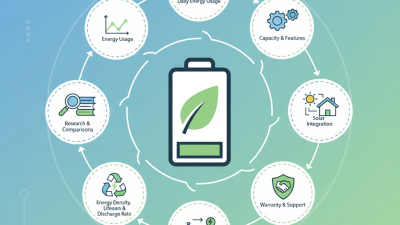
How to Choose the Best Household Energy Storage Battery?
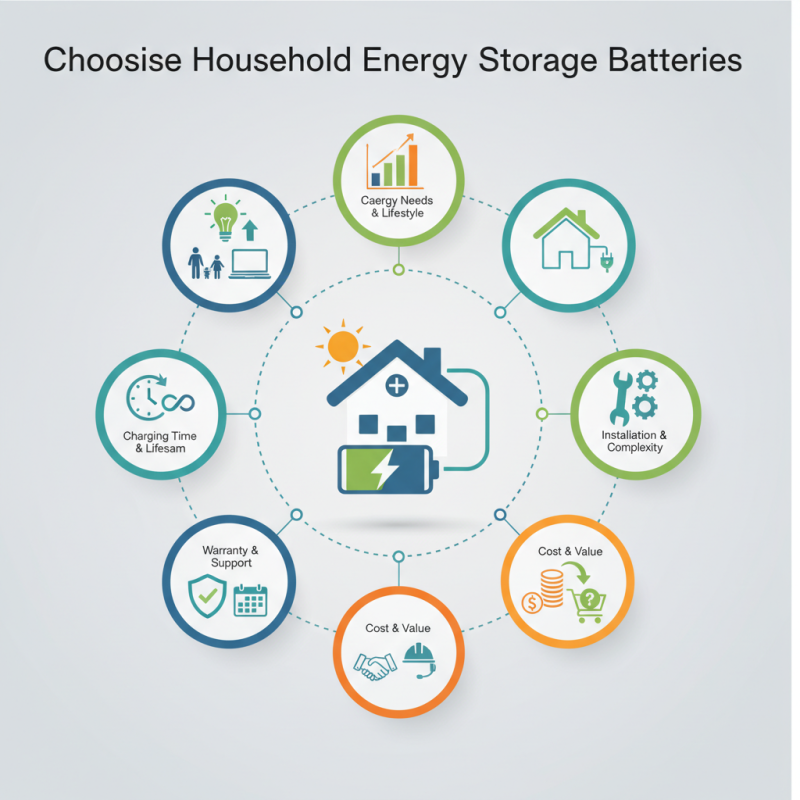
Choosing the right Household Energy Storage Battery can be challenging. With many options available, how do you decide? Think about your energy needs and lifestyle.
Consider the capacity and efficiency of the battery. Larger homes might need more power storage. You wouldn't want a system that can't handle your usage. Look at the charging time and lifespan as well. A quick charge saves time, but longevity reduces costs in the long run.
Also, some batteries have complicated installation processes. This could lead to unexpected expenses or delays. Be mindful of warranties and service support as well. These factors can be critical when choosing. Keep in mind that the best choice isn't always the most expensive. Each household has unique needs; consider yours carefully.
Factors to Consider When Choosing a Household Energy Storage Battery
When selecting a household energy storage battery, various factors come into play.
Capacity is significant. The average household consumes about 30 kWh of electricity daily. A battery should ideally meet or exceed this demand. Look for batteries that offer scalable options. Some models allow you to expand capacity as energy needs grow.
Another essential factor is lifespan. Most lithium-ion batteries last around 10 to 15 years. However, some cheaper alternatives may only last a few years. A shorter lifespan can result in higher overall costs.
Efficiency ratings are also vital. Many batteries operate at about 90% round-trip efficiency. Lower efficiency means wasted energy, impacting your home’s energy bills.
Cost is a crucial consideration. Prices for storage batteries can vary widely, ranging from $5,000 to over $15,000. This range often reflects battery size and technology. Pay attention to the warranty. Most reputable batteries come with a warranty of at least 10 years. It indicates confidence in the product. If buying a cheaper option, be cautious. Long-term value might be lacking.
Types of Energy Storage Batteries Available for Home Use
When choosing an energy storage battery for home use, various types exist. Lithium-ion batteries are popular due to their high energy density and efficiency. They charge quickly and last long, making them ideal for daily use. However, they can be expensive, which may be a concern for some homeowners.
Lead-acid batteries are another option. They cost less and are widely available. These batteries work well for backup power but have a shorter lifespan. Their weight and size can be drawbacks as well. Some might approach them hoping for lower costs, but they often need more frequent replacement.
In addition, saltwater batteries have emerged as an eco-friendly choice. They use non-toxic materials and are safer. However, they may not provide the same energy output as lithium-ion. Homeowners should consider their specific needs and preferences when choosing. It’s essential to weigh the pros and cons of each type. A careful evaluation can aid in selecting the right solution for energy storage.
Evaluating Energy Capacity and Power Output Requirements
When evaluating energy capacity, think about your daily energy needs.
Calculate how much power your household consumes. This includes lights, appliances, and electronics.
A good estimate can help you choose the right battery size. Consider peak usage times too.
You need a battery that can handle high demand when everyone is home.
Power output is equally important. Look for batteries that can provide enough power at once.
This feature is crucial during high usage. Imagine running multiple devices simultaneously.
If the battery can't keep up, it may fail to deliver energy when you need it most.
Testing the output capacity in real scenarios is wise.
Don't overlook compatibility with your current setup. Some batteries may not fit well with your inverter or home grid.
This mismatch can lead to inefficiencies. Also, be aware of the longevity of the battery.
A battery may serve you well today but could degrade rapidly.
Assess both short-term and long-term performance.
Understanding Battery Lifespan and Warranty Options
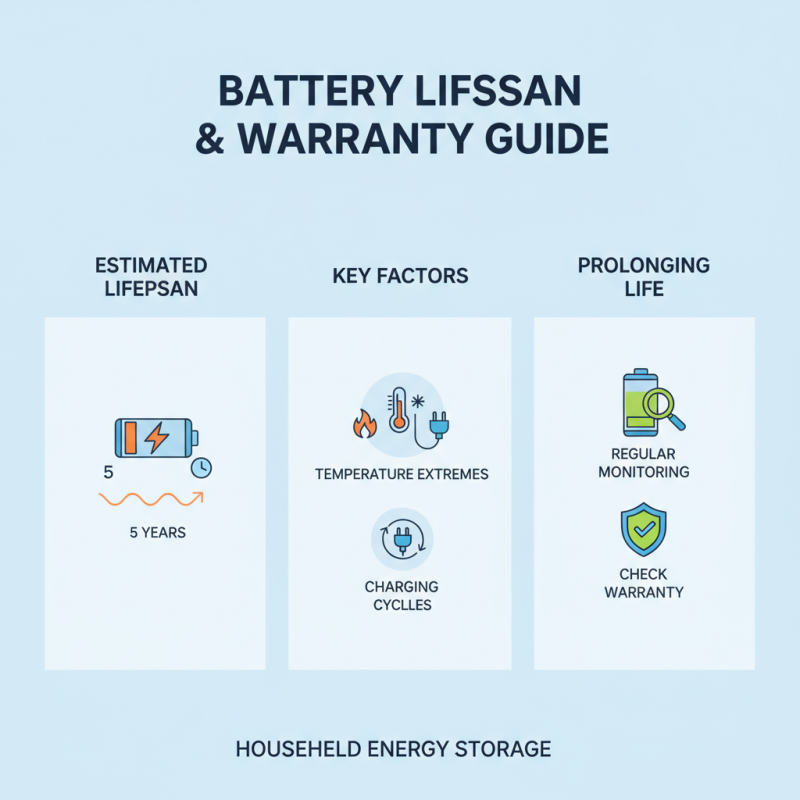
When selecting a household energy storage battery, battery lifespan is crucial. Typically, batteries can last anywhere from five to fifteen years. However, their lifespan can be influenced by factors such as temperature, usage patterns, and charging cycles. A battery exposed to extreme temperatures may degrade faster. Regular monitoring can help prolong the battery’s life.
Warranty options provide added peace of mind. Most manufacturers offer warranties ranging from five to ten years. Read the fine print. Some warranties cover only specific issues, while others include replacements for faulty products. Ask about labor costs too. Warranty conditions may vary widely. A long warranty might sound appealing, but it could also reflect potential longevity issues.
Additionally, consider charging habits. Frequent cycling may wear out the battery more quickly. If you plan to use renewable energy sources, compatibility matters. Some batteries work better with solar panels than others. Research is essential, but ensuring your chosen battery meets both your needs and offers reliable lifespan is equally important.
Cost Analysis and Incentives for Home Energy Storage Solutions
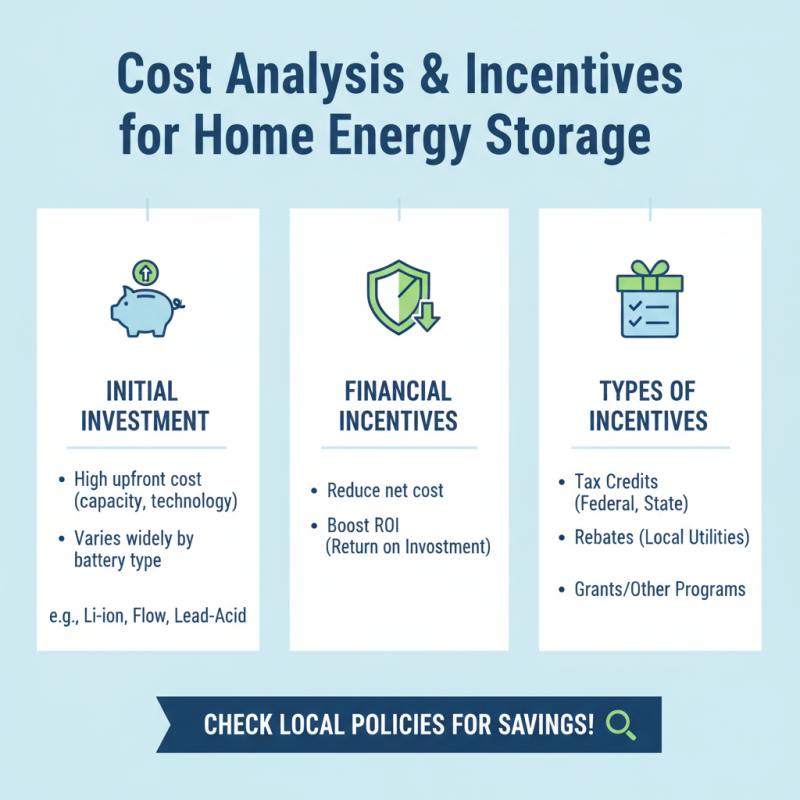
When choosing a household energy storage battery, cost plays a crucial role. Batteries vary in price, depending on capacity and technology. Initial investment might seem high. However, financial incentives can significantly reduce this burden. Many regions offer rebates for solar energy systems, including storage. Check local policies to understand potential savings.
Tips: Research available tax credits and rebates. This can help lower upfront costs. Monitoring energy usage also provides insight into the optimal battery size needed. Don’t overspend on excess capacity that goes unused.
In some cases, potential maintenance costs might be overlooked. Batteries may need replacement after several years, impacting long-term savings. Weigh these factors when assessing the total cost. Always read reviews and gather user experiences. They offer invaluable insights, which often highlight both advantages and disadvantages. Balancing cost and functionality is key for making the right choice.