What is a conveyor belt roller and how does it work?
conveyor belt rollers play a crucial role in material handling systems across various industries. According to a report by Grand View Research, the global conveyor systems market was valued at approximately $7 billion in 2020. This is expected to grow significantly, driven by advancements in automation and the demand for efficient logistics. Conveyor belt rollers are essential components that facilitate the smooth movement of materials, reducing friction and wear on the belts.
These rollers support the weight of the conveyed materials, determining the system's efficiency and longevity. Their design impacts the overall stability and reliability of conveyor systems. Different industries, such as mining, manufacturing, and food processing, rely on these rollers for optimal performance. Yet, despite their importance, often the maintenance of conveyor belt rollers is overlooked. Regular inspection is vital to prevent downtime and costly repairs.
The efficiency of conveyor systems can be affected by worn or damaged rollers. Companies need to reflect on their maintenance practices. Investing in quality conveyor belt rollers can enhance productivity and minimize long-term costs. Monitoring their condition ensures a smoother operation. Awareness of these factors can lead to better decision-making in conveyor system management.
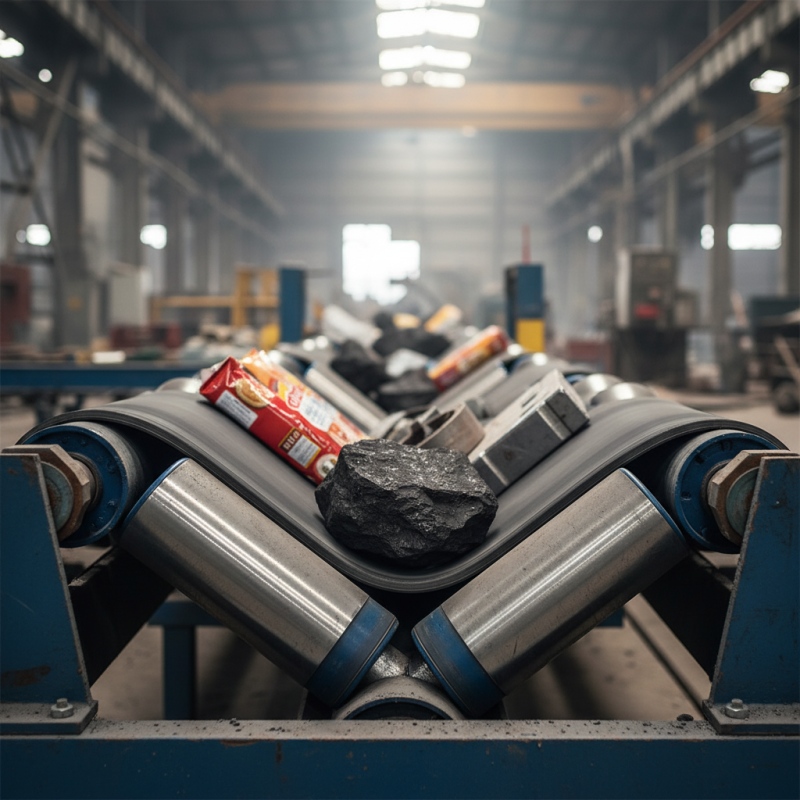
What is a Conveyor Belt Roller? Definition and Overview
A conveyor belt roller is a crucial component in a conveyor system. It helps to support and move the belt, allowing materials to be transported efficiently. These rollers are typically found underneath the belt. They reduce friction and facilitate smoother movement. The design and size of the roller can vary, depending on the specific application and load capacity.
Understanding the function of a conveyor belt roller is essential for maintenance. A well-maintained roller can greatly enhance system efficiency. Check for wear and tear regularly. Rollers that are not aligned correctly can cause operational issues. It’s important to keep them clean and free from debris. This simple action can extend the lifespan of the entire conveyor system.
Tips: Always inspect rollers for signs of damage. Small issues can lead to bigger problems. Replace worn rollers promptly to avoid costly repairs. If the roller is difficult to remove, consider checking the manufacturer's guidelines. Proper installation makes a difference. Keep in mind that improper roller placement can lead to uneven conveyor movement, causing delays. Pay attention to alignment to ensure smooth operations.
Components of a Conveyor Belt Roller: Types and Materials
Conveyor belt rollers are essential components in material handling systems. They help to support and facilitate the movement of conveyor belts. The design of these rollers can significantly impact efficiency and longevity. Typical materials used for construction include steel, aluminum, and plastic. Each material offers unique benefits in terms of strength and resistance to wear.
For instance, steel rollers are ideal for heavy-duty applications. They can handle substantial loads and resist deformation under stress. Aluminum rollers, on the other hand, provide a lightweight option, reducing overall system weight. According to industry reports, nearly 70% of conveyor systems utilize aluminum rollers in light to medium-duty applications. Plastic rollers are often used in environments where corrosion is a concern. They can be an excellent choice for food production settings.
The types of conveyor belt rollers vary based on function. There are troughing rollers, flat rollers, and impact rollers. Each type serves a specific purpose, influencing material flow and support. However, improper roller selection may lead to operational inefficiencies. A study found that mismatched rollers could reduce conveyor efficiency by up to 30%. Regular evaluation of roller performance is crucial to maintain optimal operation.
How Conveyor Belt Rollers Function in Material Handling Systems
Conveyor belt rollers play a critical role in material handling systems. They reduce friction and help transport various materials across different terrains. Rollers support the weight of the belt and its load, facilitating smoother operations. According to industry reports, roller efficiency can enhance conveyor system performance by up to 25%. This improvement is crucial for businesses aiming to optimize productivity.
Rollers function by letting the conveyor belt glide over them. As the belt moves, the rollers rotate, allowing packages or materials to travel effortlessly. The surface of the roller matters. For instance, slightly textured surfaces can improve grip. Many operators overlook this detail, which can lead to unnecessary slippage of materials. Even minor adjustments can lead to significant enhancements in flow and efficiency.
However, failures in roller systems often occur. Dust accumulation, misalignment, or wear and tear can lead to breakdowns. Companies must regularly inspect rollers to avoid such issues. Proper maintenance can extend roller life by 20%, yet many operators neglect this aspect. While some might believe all rollers are the same, the truth is far more complex. Even material selection can dictate lifespan and performance. Thus, ongoing evaluation of roller quality is essential for success in material handling.
Industry Applications of Conveyor Belt Rollers: Efficiency and Safety
Conveyor belt rollers play a crucial role in various industries, enhancing efficiency and safety. These components support belts and facilitate smooth material movement. In warehouses, they help transport packages swiftly. In manufacturing, they assist in assembling products more effectively. The smoother the operation, the less likely it is for accidents to occur.
Tips: Regular maintenance of conveyor rollers is essential. Inspect rollers frequently for wear and tear. Replace any damaged parts quickly to prevent breakdowns.
In mining, conveyor belt rollers are vital for transporting heavy ores. They must withstand extreme conditions and heavy loads. However, even durable rollers can fail under pressure. Businesses must assess their material handling processes regularly. A small oversight can lead to significant delays or accidents.
Tips: Continuous employee training on safety protocols can reduce risks. Encourage staff to report any irregularities immediately.
Maintenance Best Practices for Conveyor Belt Rollers to Maximize Longevity
Proper maintenance of conveyor belt rollers is crucial for enhancing their lifespan. Regular inspection is essential. Look for signs of wear and tear. Damaged rollers can cause misalignment. Misalignment leads to increased friction and further damage. Clean the rollers frequently to remove dirt and debris. Unattended buildup can lead to operational issues. It’s also vital to lubricate the bearings. Insufficient lubrication results in more friction.
Keep an eye on the tension of the conveyor belt. Overly tight or loose belts can stress the rollers. Adjustments should be made promptly. Noticing problems early can save costs in the long run. Check the bearings and replace them when needed, even if they seem fine. Sometimes, we ignore small issues until they become major problems. Develop a maintenance schedule to stay proactive. Documentation of actions taken can offer insights into recurring problems.
In essence, maintenance requires diligence. Training staff in best practices is necessary. They should recognize warning signs. Ensure everyone understands that small problems demand attention. Regular audits can help maintain the overall health of the system. Remember, it’s about preventing bigger headaches down the road.
Conveyor Belt Roller Maintenance Frequency