Top 10 Benefits of Using 51.2v Lifepo4 Boat Battery for Your Vessel?
Exploring the seas with the right boat battery is crucial. A 51.2v Lifepo4 Boat Battery offers unique advantages. With its robust features, it transforms your sailing experience.
This battery type ensures long-lasting power. Its lightweight design reduces the overall weight of your vessel. Enhanced energy efficiency means less charging time for your adventures. Despite the initial cost, the long-term savings can be significant. You might wonder if it's worth it.
Consider the safety features of the 51.2v Lifepo4 Boat Battery. Its stable chemistry minimizes fire risks compared to traditional batteries. Additionally, it has a longer lifespan. Reflection is important here; investing wisely can lead to better journeys. Embrace the benefits of this battery for a reliable and enjoyable boating experience.
Advantages of 51.2V Lifepo4 Batteries for Marine Applications
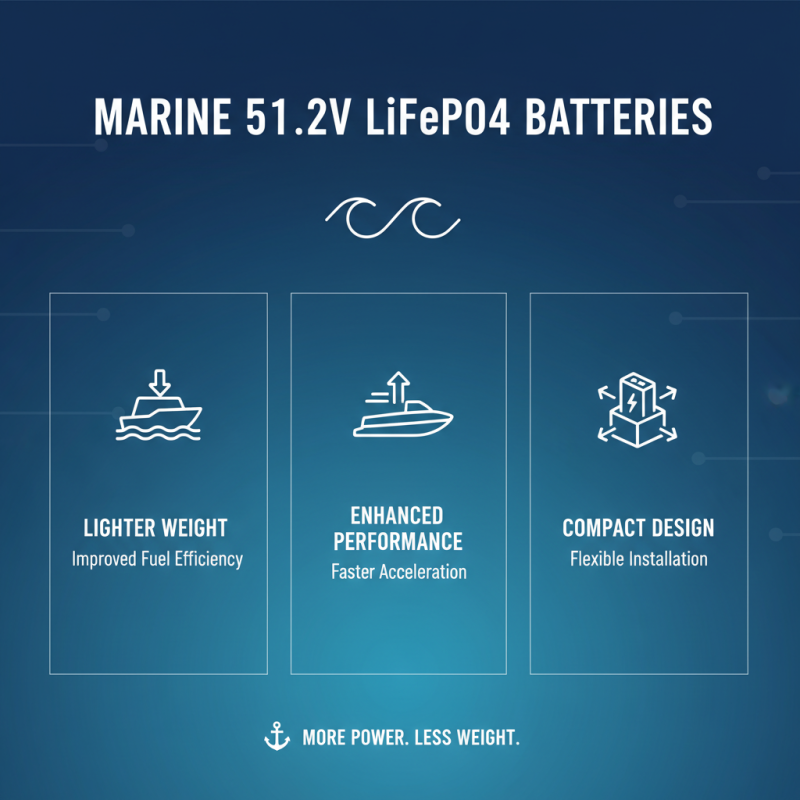
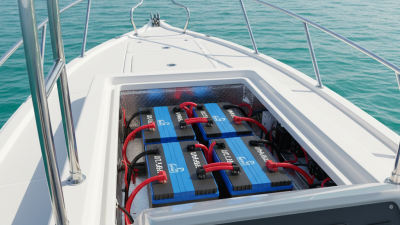
51.2V Lifepo4 batteries offer a range of advantages for marine applications. These batteries are lightweight compared to traditional lead-acid batteries, significantly reducing overall vessel weight. This shift can lead to improved fuel efficiency and enhanced boat performance. Additionally, the compact design of Lifepo4 batteries allows for flexible installation options within tight spaces on a boat.
The durability of Lifepo4 technology is another key benefit. These batteries are resistant to the harsh marine environment. They can withstand vibrations, humidity, and temperature fluctuations. Their lifespan is impressive, providing reliable power over many cycles. However, it is essential to regularly monitor battery health to prevent unexpected failures.
While the initial cost may be higher than conventional batteries, the long-term savings on maintenance and replacements can offset this. Boat owners should reflect on their usage patterns to determine if this investment makes sense. Choosing the right battery can impact the overall boating experience, so careful consideration is vital.
Enhanced Energy Efficiency of Lifepo4 Boat Batteries
The enhanced energy efficiency of 51.2v Lifepo4 boat batteries makes them an ideal choice for marine vessels. These batteries are designed to deliver high power output while consuming less energy. This is crucial when you are out on the water and need to maximize the use of your battery life.
Lifepo4 batteries have a longer cycle life compared to traditional lead-acid batteries. They can last for thousands of charge cycles. This means fewer replacements are needed over time. A single investment can provide you with reliable performance for many years. However, the initial cost can be higher, which may require careful budgeting.
Users often notice improved performance in their vessels. Lifepo4 batteries maintain consistent voltage and performance, even when the charge is low. This reliability can be especially important during long trips. Yet, some boaters might find it challenging to adapt to managing the charge cycles effectively. Regular checks and maintenance are still necessary for optimal efficiency.
Top 10 Benefits of Using 51.2v Lifepo4 Boat Battery for Your Vessel
Longevity and Durability of 51.2V Lifepo4 Batteries in Marine Use
The longevity and durability of 51.2V LiFePO4 batteries make them highly suitable for marine applications. Unlike traditional lead-acid batteries, these lithium batteries can last up to 10 years with proper maintenance. According to the Electric Boat Association, this lifespan is significantly longer compared to lead-acid options, which often fail within 3-5 years. This is crucial for boat owners who want to minimize replacement costs and maintain reliable power on the water.
One key advantage of LiFePO4 technology is its resistance to environmental factors. Marine batteries often face harsh conditions, including saltwater and humidity. Reports show that LiFePO4 batteries perform well despite these challenges, maintaining their capacity over time. However, improper installation can lead to reduced performance. It’s vital to secure the battery properly to avoid movement and impact that could damage it.
Moreover, these batteries have a lower discharge rate. They can stay charged longer, potentially saving energy during trips. Yet, poor management of charging can result in short lifespans. Regular checks and proper charging practices are necessary for optimal performance. With a commitment to care, the benefits of 51.2V LiFePO4 batteries can be profound for any vessel.
Safety Features of Lifepo4 Batteries for Boats
Lifepo4 batteries are gaining traction in the marine industry. Safety is a critical concern for boat owners. These batteries have notable safety features that set them apart from traditional options. A major benefit is their thermal stability. Reports show that Lifepo4 batteries can withstand high temperatures without the risk of thermal runaway, a common concern with lithium-ion batteries.
The design of Lifepo4 batteries includes built-in protection circuits. These circuits can prevent overcharging, short circuits, and excessive discharging. According to industry data, these features enhance their longevity. A standard Lifepo4 battery can last over 2,000 charge cycles, significantly outpacing lead-acid alternatives.
Moreover, Lifepo4 batteries are less prone to leakage. Unlike traditional batteries, they do not contain toxic materials that can harm marine environments. However, some users worry about their weight. They are often heavier than other batteries, which can affect a vessel's performance. Balancing safety and practicality is essential for boat owners.
Environmental Benefits of Using Lifepo4 Boat Batteries
Using LiFePO4 boat batteries offers significant environmental benefits, making them a popular choice among boaters. These batteries are known for their low impact on ecosystems. They produce less pollution compared to traditional lead-acid batteries. When disposed of properly, they have a much smaller carbon footprint.
Additionally, LiFePO4 batteries have a longer lifespan. This longevity reduces the frequency of replacement, thus lowering the overall waste generated from discarded batteries. Fewer batteries means less harmful materials ending up in landfills. These batteries also operate efficiently, which means they consume less energy during charging and discharging cycles.
However, not everything about these batteries is perfect. The production process can still be challenging, requiring rare materials. This raises concerns about resource extraction and its impact on the environment. Knowing this can lead to a more critical view of the renewable energy movement. It serves as a reminder that even eco-friendly options can have hidden consequences.